
How You Can Welcome a Newcomer in Your Community

0%

Support begins where the conversation starts.

LIP
Creating Welcoming Communities in Lanark & Renfrew Counties:

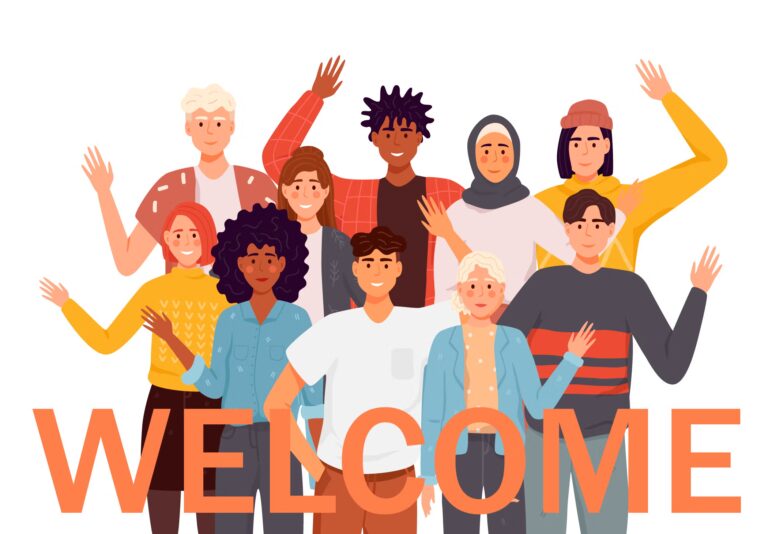
When newcomers feel welcomed and included, they are better able to settle, participate, and build connections. In Lanark and Renfrew Counties, these connections strengthen neighbourhoods, create opportunity, and benefit the entire community.


Why Welcoming Matters:

Research consistently shows that diversity and inclusion create positive outcomes for individuals and communities alike. Studies published in the Journal of Youth and Adolescence found that school environments with greater racial and ethnic diversity are associated with more diverse friendship networks and more positive social interactions. Similarly, research in the Journal of Applied Developmental Psychology shows that children who form high-quality interracial friendships demonstrate stronger social competence, lower levels of bias, and broader social networks.

Beyond schools, the benefits of multiculturalism and diversity extend into the wider community. An article from the Association for Psychological Science discusses how inclusive practices are in place, diverse communities can build stronger social trust and foster long-term civic engagement. Canadian research from the Mental Health Commission further supports these findings, showing that a sense of social belonging contributes to improved mental health, reduced loneliness, and greater overall community resilience.


How can you support newcomers in your community?

There are many simple and meaningful ways community members can help newcomers feel at home:

Everyday acts:

  • Show kindness through small gestures like learning how to pronounce someone’s name correctly or offering a friendly greeting.
  • Offer informal support, such as being someone a newcomer can contact or reach out to with questions.
  • Inviting a newcomer for coffee, lunch, or a walk.
  • Helping with small tasks, such as shovelling snow or navigating unfamiliar weather.

Sharing Local Knowledge:

  • Share information about local services like schools, libraries, healthcare, or waste collection and how a newcomer can connect with these services.
  • Help newcomers better understand how everyday systems work in the community.

Building Friendships Across Cultures:

Friendships play an important role in reducing isolation and creating a sense of belonging. Building relationships with people from different cultural backgrounds can broaden perspectives, deepen understanding, and strengthen community connections.

Ways that people build cross-cultural friendships include:

  • Joining clubs, groups, or activities of interest.
  • Volunteering or attending local events and festivals.
  • Being open, patient, and respectful when meeting new people.
  • Taking time to learn about other cultures including your own.
  • Be genuine. Friendships should be based on mutual interest and respect.

Social Connection & Inclusion:

  • Invite newcomers to community events, activities, gatherings, or simply inform them where they can find what’s on in the community.
  • Encourage and educate children and youth to be inclusive at school and in recreational activities.
  • Volunteer or participate in programs that support newcomer inclusion.
  • Supporting and shopping at businesses owned by newcomers.

Practical Support:

  • Offer guidance with basic forms, registrations, or finding local resources.
  • Offering insights into health and safety (eg – when to call 911), education and childcare (eg – school registration), housing, transportation and daily life (eg – how to get a vehicle), and employment supports (eg – local employment services).
  • Connect newcomers to trusted community organizations and library programs that support learning, language practice, and wellness.

Practicing Cultural Respect:

When forming friendships across cultures, it’s important to approach relationships with openness and respect. Everyone’s values, communication styles, and experiences are shaped by culture.

Keep in mind:

  • Avoid stereotypes or assumptions.
  • Don’t expect others to educate you about their culture, treat people as individuals, not representatives of a culture.
  • Ask respectful questions and listen with curiosity.

Avoiding Tokenism:

Avoid tokenizing friendships. Tokenism occurs when relationships are used to appear inclusive rather than built on genuine connection. Friendships across cultures should be based on mutual respect. A person’s background does not make them a symbol or representative of a culture.

By staying open, reflective, and considerate of both others’ cultures and your own, you can build meaningful, respectful friendships that benefit everyone involved.


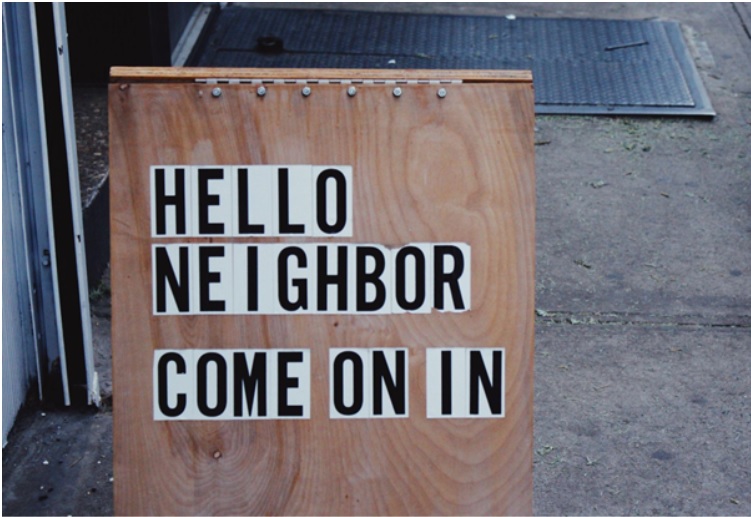
When we wonder how we can make the people in our lives feel included – the answer most often is a genuine “welcome” or “hello.” Often we meet new people every day, in our personal lives, academic spaces, or areas of employment. The best way to make anyone feel welcome is by starting a conversation.

Learn more, get involved, or explore upcoming community events and resources:

There are many ways to support newcomer inclusion in Lanark and Renfrew Counties:


Supporting a newcomer often starts with a simple “hello” and a willingness to help. By taking the time to listen, learn, and connect, we can build communities where everyone feels welcome, included, and able to thrive.


Last updated: 3/2/2026
wpChatIcon